Building With Resilience
  • Home
  • Rebuild Hub
  • Resources
    • Resources
    • Insights From Experts
    • Advocacy
    • Model Ordinance
    • Materials
    • News
    • Guidance & More
  • Research
  • About Us
  • Resilience
    • Resilience
    • Concrete Solutions
    • Performance
    • Climate Impact
  • Events
  • More
    • Home
    • Rebuild Hub
    • Resources
      • Resources
      • Insights From Experts
      • Advocacy
      • Model Ordinance
      • Materials
      • News
      • Guidance & More
    • Research
    • About Us
    • Resilience
      • Resilience
      • Concrete Solutions
      • Performance
      • Climate Impact
    • Events

  • Home
  • Rebuild Hub
  • Resources
    • Resources
    • Insights From Experts
    • Advocacy
    • Model Ordinance
    • Materials
    • News
    • Guidance & More
  • Research
  • About Us
  • Resilience
    • Resilience
    • Concrete Solutions
    • Performance
    • Climate Impact
  • Events

CONCRETE MASONRY

Built for a Lifetime: A Guide to Concrete Masonry

Concrete masonry construction uses concrete masonry units (CMUs)—commonly known as concrete blocks—to create strong, durable wall systems for residential and commercial buildings.


These blocks are stacked and bonded together with mortar, then reinforced with steel and grout to form a solid, structural wall assembly. Concrete masonry has been used for decades across California and the U.S., making it one of the most proven and widely understood building systems available.


Modern masonry construction can incorporate insulation, advanced finishes, and engineered reinforcement to meet today’s energy, seismic, and fire-resistance standards—while maintaining the long-term durability that concrete is known for.


Why Choose Concrete Masonry


  • Fire Resistance
    Noncombustible materials help protect homes in wildfire-prone areas. 
  • Structural Performance
    Reinforced masonry performs well under seismic and high-wind conditions. 
  • Durability
    Resistant to rot, pests, and moisture damage—built to last for generations. 
  • Energy Efficiency
    Thermal mass helps regulate indoor temperatures and reduce energy demand. 
  • Proven System
    A widely used and well-understood construction method with established codes and practices.

built with concrete
how to build homes with concrete masonry

Roadmap for getting started

Building with concrete masonry is a straightforward and well-established process, but it benefits from early coordination and experienced professionals. Here is a simple roadmap to get started:

  1. Work with your designer:
    Concrete masonry can be used in a wide range of home designs, from traditional to modern. Early coordination with an architect or designer ensures proper wall layout, structural reinforcement, and integration of insulation or finishes to meet energy and performance goals. 
  2. Engage with a structural engineer:
    Reinforced masonry systems rely on properly designed steel reinforcement and grouting to meet building code requirements—especially in seismic regions like California. An engineer will ensure the wall system is designed for strength, safety, and compliance. 
  3. Hire an experienced masonry contractor:
    Skilled masons are essential to achieving a high-quality result. Contractors familiar with reinforced masonry construction will ensure proper block placement, alignment, reinforcement, and finishing for a durable and visually appealing structure.

who are the experts using concrete masonry

Concrete Building Professionals


ARCHITECTS

TC Design-Build

O2 Architecture


ENGINEERS

Miyomoto International * Eric Ramos


MANUFACTURERS AND SUPPLIERS

Angelus Block * Adam Eldred

ORCO Block & Hardscape * Abdol Bahrami * info@orco.com

RCP Block & Brick

Basalite

Oldcastle


ADDITIONAL RESOURCES

Concrete Masonry Association of California and Nevada

Concrete Masonry Checkoff Program

Directory of Professionals

 Building With Resilience is developing a directory of architects, engineers, developers, contractors, manufacturers and other professionals experienced in fire-resilient and noncombustible construction. If you or your organization would like to be considered for inclusion, please complete the form below. Submissions will be reviewed before publication. 

ADD TO DIRECTORY

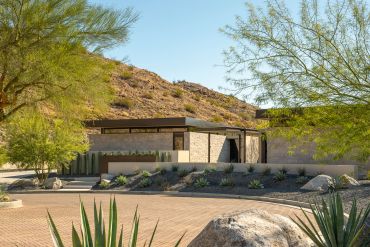
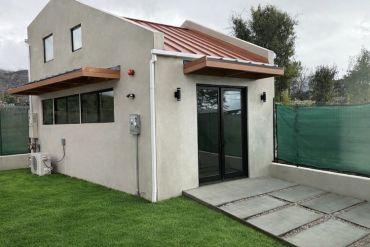
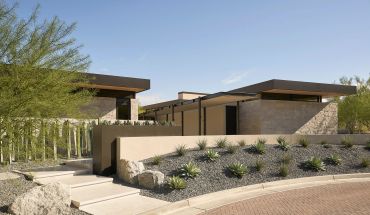
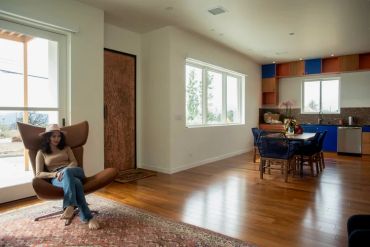
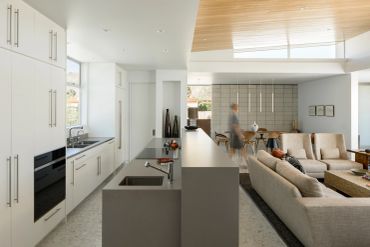
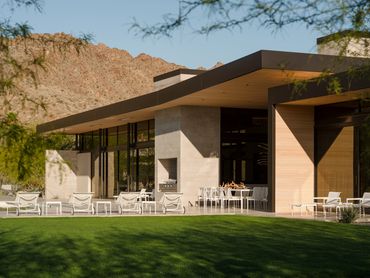
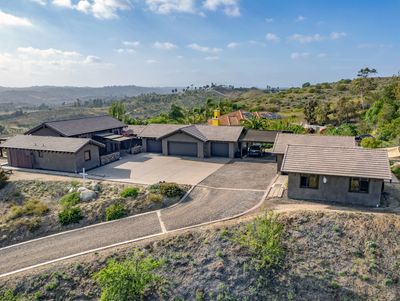
Completed projects

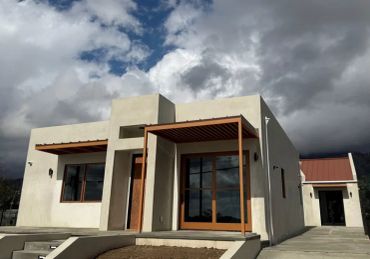
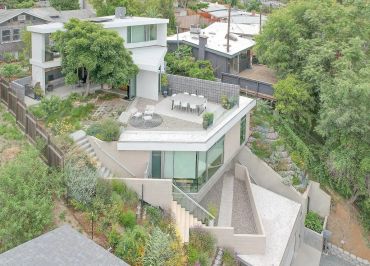
Newly constructed home in Altadena, California

Concrete Building Professionals

This directory is provided for informational purposes only as a resource for those interested in concrete home design and construction. Inclusion does not constitute an endorsement or recommendation by Building With Resilience or its coalition partners, nor does it indicate that a business or individual is affiliated with or has approved its inclusion on this website. We do not independently verify or guarantee qualifications, licensing, experience, availability, or the quality of services provided. Users should conduct their own research and due diligence before selecting a professional or contractor.


Information may have been gathered from publicly available sources. If you are listed and would like your information corrected or removed, please contact us.

Contact Us

Frequently Asked Questions

CMU’s non-combustible performance is ideal protection from fast-moving wildfires. This is true not only for exterior walls, but also for fences and hardscape around a home. 


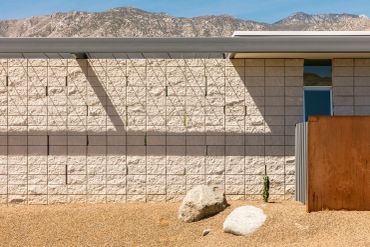
 CMU can be built with traditional fire-resistant exterior materials like stucco and brick, and interior walls can be finished with drywall similar to most homes. Alternatively, CMU offers an optional aesthetic that can be exciting. CMU walls can be left exposed and offer a wide range of colors and textures. 


 Like other options that have high thermal mass, CMU walls help retain a more constant temperature that can result in lower heating and cooling bills. This also means better sound attenuation for a quieter home. There is also the potential for reduced fire insurance premiums. 


Copyright © 2026 Building With Resilience - All Rights Reserved.

  • Home
  • Rebuild Hub
  • Resources
  • Resilience
  • Contact Us

This website uses cookies.

We use cookies to analyze website traffic and optimize your website experience. By accepting our use of cookies, your data will be aggregated with all other user data.

DeclineAccept